
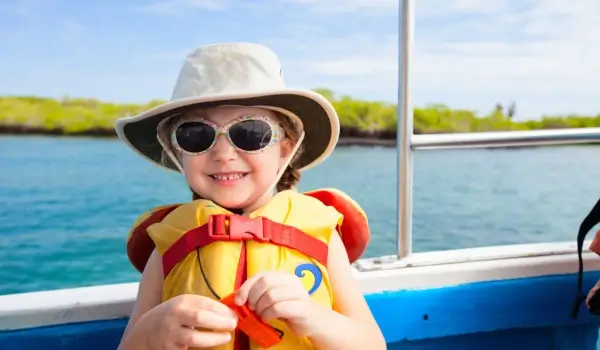
A day on the water with your family creates memories that last a lifetime. To ensure those memories are all positive, safety must be the top priority. Boating with children requires extra planning and vigilance, but the reward is a fun and secure adventure for everyone. By establishing clear rules and preparing for their unique needs, you can focus on the joy of sharing your love of the water with the next generation.
Essential Safety Gear and Preparation for Young Passengers
Before you leave the dock, ensure every child is equipped for safety. The most critical rule is that everyone wears a properly fitted U.S. Coast Guard approved life jacket at all times on the water. For young children, choose a jacket with a head support and a strap between the legs. Conduct a family safety briefing once on board. Point out the location of emergency equipment like throwable flotation devices and the fire extinguisher. Designate a safe, enclosed seating area where children can play, and establish a rule that they must ask permission before moving around. Finally, apply waterproof sunscreen generously and reapply often, and make sure everyone has a hat and sunglasses for protection.
On the Water Rules and Constant Supervision
Active, attentive supervision is non-negotiable. Always assign one adult to be the designated “child watcher,” whose sole responsibility is to keep eyes on the kids. Enforce a “one hand for the boat” rule when children are moving, and insist they sit down while the boat is in motion or during any maneuvers. Be extremely cautious around the boat’s propeller. Educate children about the “propeller danger zone” at the stern and ensure the engine is completely off and the key is secure before anyone enters or exits the water near the boat. Keep a first aid kit readily accessible and know how to use it for minor cuts or jellyfish stings.
Managing Comfort and Preventing Overexertion
A comfortable child is a safe and happy child. Pack plenty of water and hydrating snacks to prevent dehydration, and avoid heavy, greasy foods that can upset stomachs on the water. Plan for regular shade breaks in the cabin or under a bimini top to avoid heat exhaustion. Be mindful of the weather; if conditions begin to change, head for shore early. Do not wait for a storm to arrive. Most importantly, know your children’s limits. Keep trips shorter than you might for adults, and be ready to call it a day if they become tired, cranky, or overwhelmed. Their positive experience is the best measure of a successful day.
Boating with kids is an incredible way to bond and teach them about nature and responsibility. By prioritizing their safety through preparation, constant supervision, and attention to their comfort, you build a foundation of confidence and respect for the water. These careful steps ensure that your family’s time on the boat is filled with laughter, discovery, and peace of mind for everyone on board.